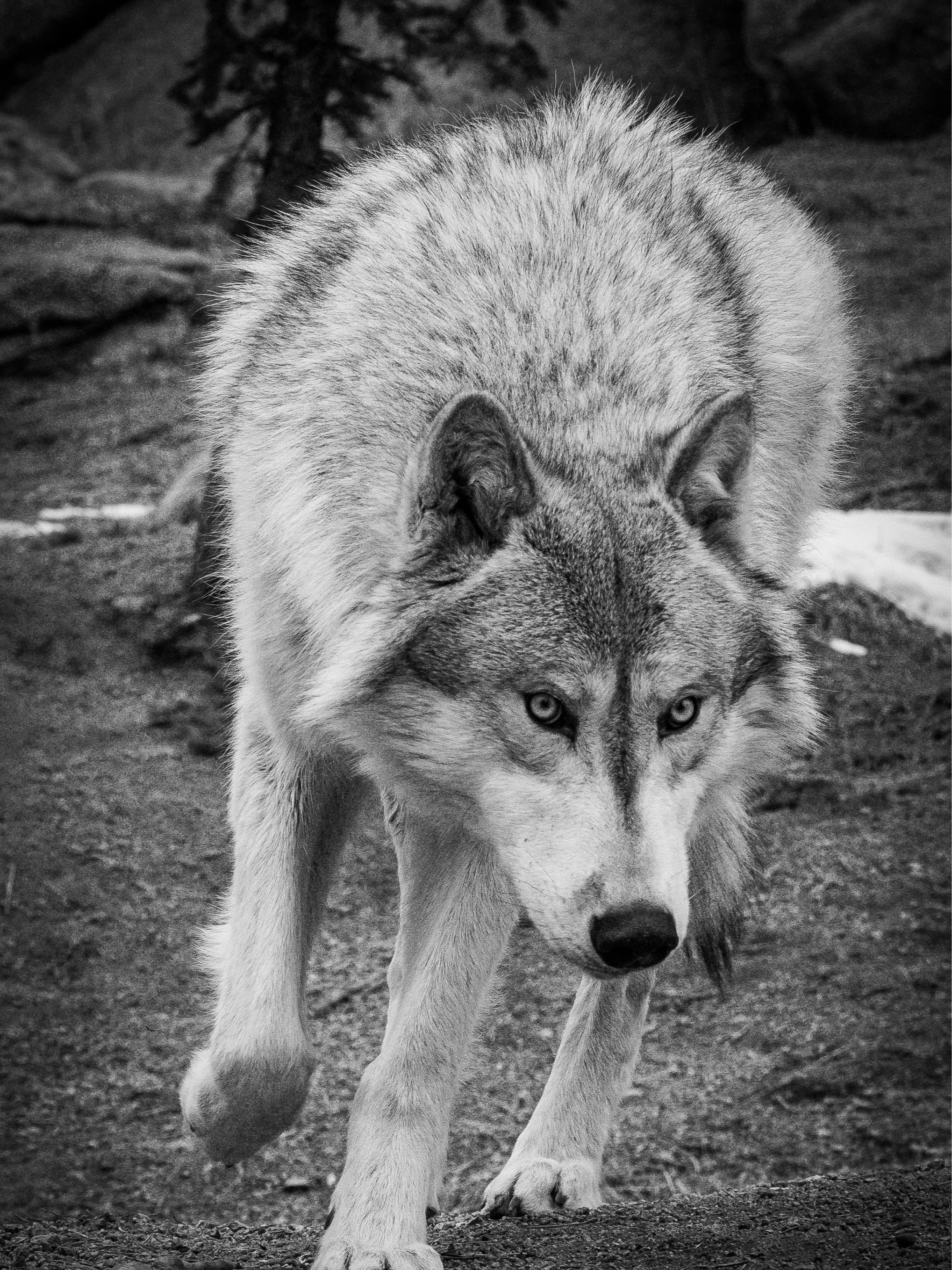
Head low, a slender wolf approaches with slow, measured steps across the snow. The movement is quiet and controlled before the wolf slows and the distance holds.
Numbers to Consider 56,986, 79 and 25
We often fail to recognize the historical significance of the present, until it becomes the past. In November 2020, Colorado voters passed Proposition 114 by a narrow margin, just 56,986 votes, barely more than 1%. With that, the state took a bold and unprecedented step: directing Colorado Parks and Wildlife to reintroduce gray wolves to the public lands of western Colorado.
In late 2023, ten gray wolves were captured in Oregon and released into Colorado’s central mountain ranges. In 2024, an historic milestone —Colorado’s first wolf pack in 79 years had formed, marking the return of a predator long absent from the state’s landscape.
Today, 25 wolves, including a new litter of pups, roam, hunt, and thrive across Colorado, in lands they now call home.
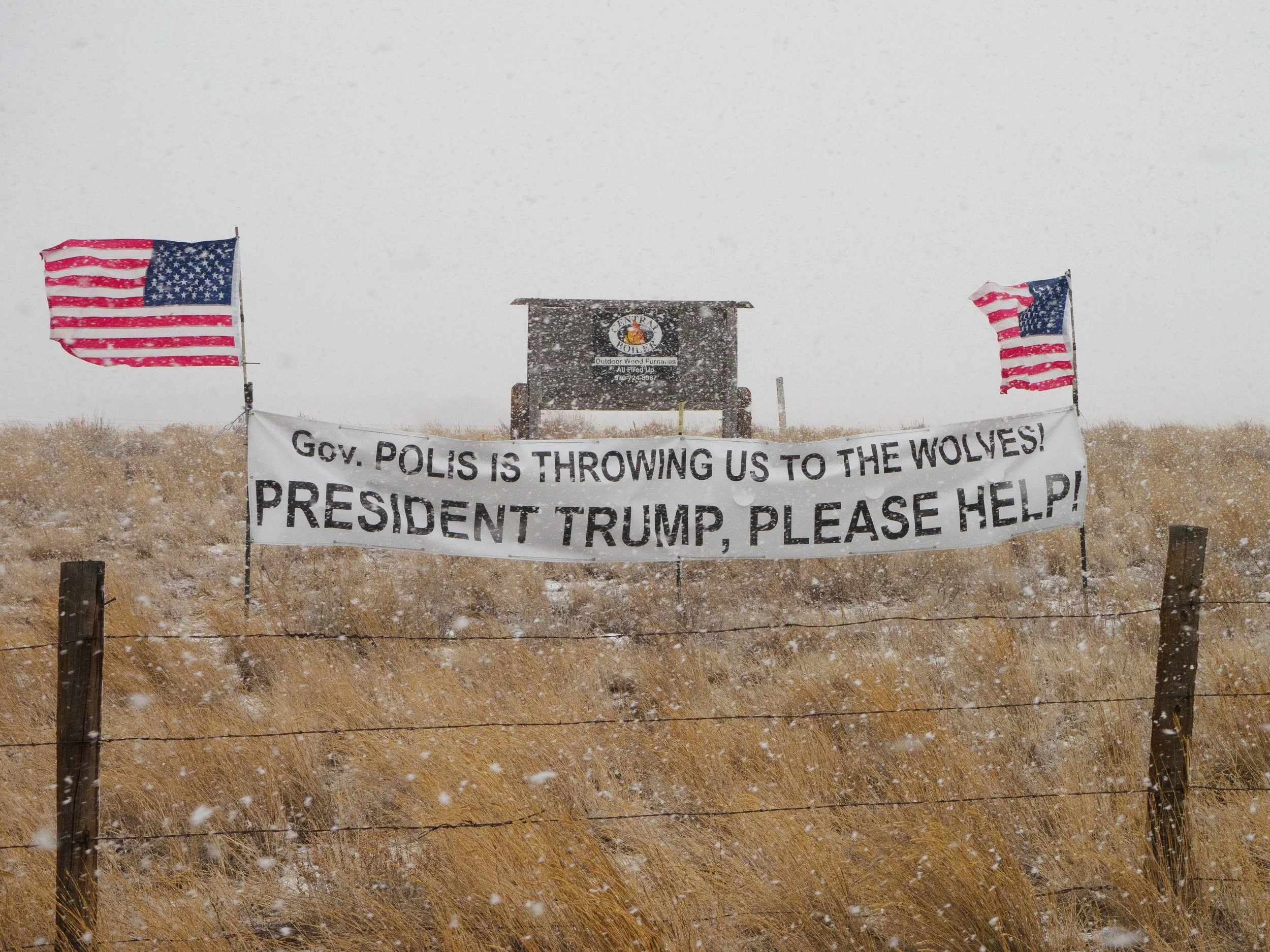
A sign found just outside Kremling, Colorado, “Middle Park” a central location for today’s wolf debate.
In 2025, Colorado finds itself at a pivotal moment. Montana, a state that helped pioneer wolf reintroduction in Yellowstone more than three decades ago, continues to expand wolf hunting and raising the risk of once again pushing wolves off the landscape.
Will Colorado follow the same path?
The Wolves Return
At the Colorado Parks and Wildlife Commission meeting on January 9th, 2025 emotions ran high. Public comment stretched almost six hours. Ranchers, frustrated and emotional, spoke of livestock losses and mounting costs. Biologists and conservationists responded with data and passion, highlighting the critical ecological role wolves play in restoring balance. Parks officials outlined proven strategies to manage the growing tension, seeking a path forward for both wildlife and ranching on public lands. As I watched, I imagined a similar meetings a century ago, perhaps in packed town halls across Colorado, Montana, Idaho, and Wyoming.
The context was different then. America was still young, and Colorado’s ranch lands were keystone economic engines. Wolves weren’t seen as vital parts of a healthy ecosystem—they were cast as enemies, intruders, competitors for resources and survival. With public support, the U.S. government set out to exterminate them. In 1945, the last known native wolf pack in Colorado was killed near Conejos County. The wolves were gone.
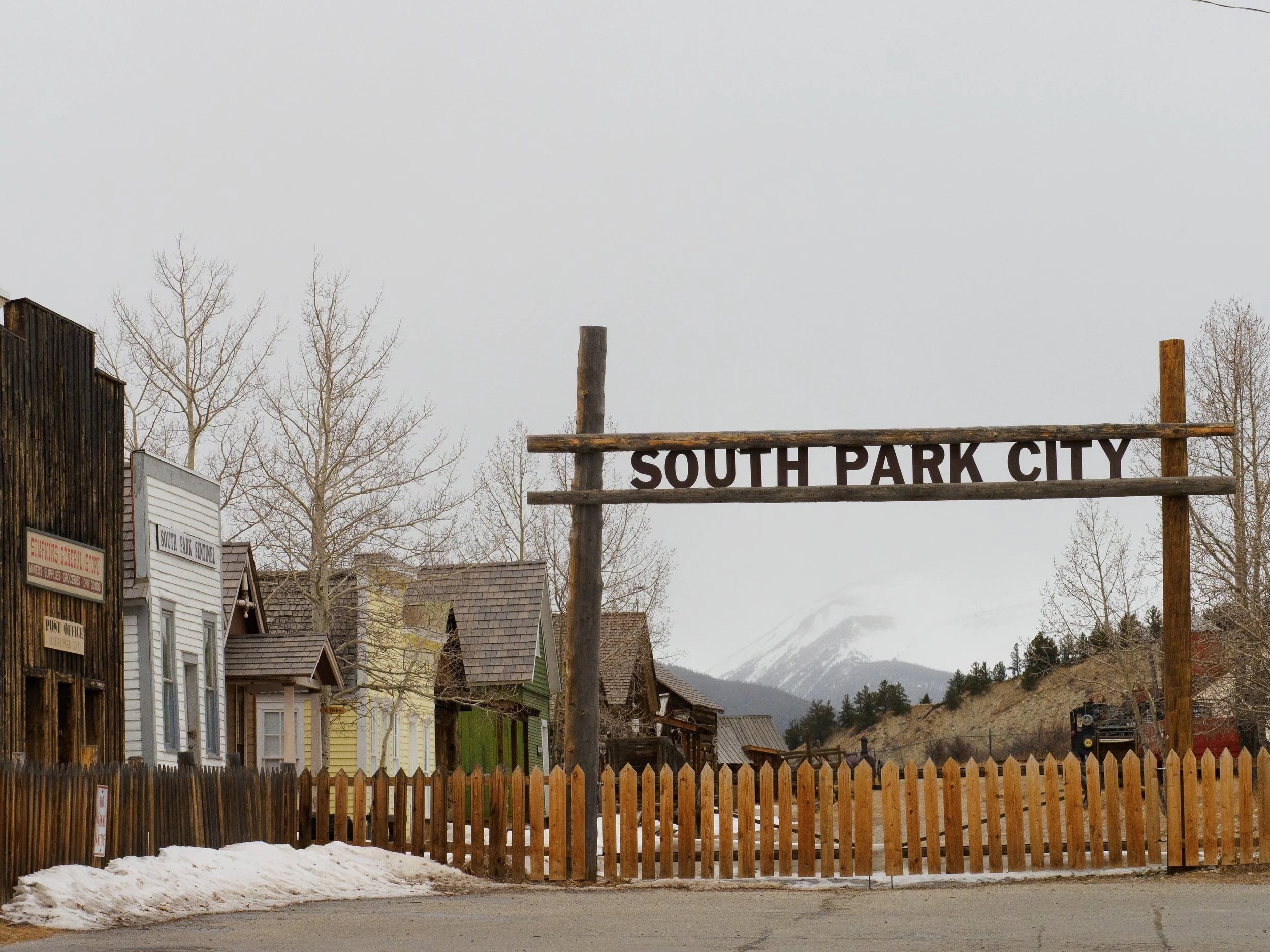
South Park in central Colorado, once the vast open land here was full of wolves, but today this is rich and productive ranching land.
Fast forward to today: on January 9th, despite the vocal resistance, the Colorado Parks and Wildlife Board of Governors voted 10–1 to continue the reintroduction program. Nearly thirty years after the bold reintroduction of wolves into Yellowstone National Park, Colorado is stepping forward with its own vision. A week after the vote, a new group of wolves was released into the wild.
Conflicts over land and resources are not new, nor are they unique to wolves. But the story of the wolf feels different. Unlike bison or wild horses, also casualties of this long contest for control of the land—wolves stir something deeper. With wolves, it often feels personal. They draw out the best in us—and sometimes the worst. In many ways, the debate surrounding them mirrors the polarizations of our society itself.
Today, in Colorado, we stand at a crossroads. It may not feel like a pivotal moment, simply because we are living through it. But we’ve taken a bold step—we’ve chosen to bring wolves back to our landscape in an effort to restore a balance we once destroyed. In doing so, we looked at ourselves, and with the slightest tilt of the scale, we chose to leap. We moved forward.
Jamie Dutcher writes eloquently about wolves in The Wisdom of Wolves: Lessons from the Sawtooth Pack:
"The only virtue wolves need from us is honesty, honesty about them, about ourselves, and about our shared past. Only by seeing them as they are, neither demon nor deity, but as creatures worthy of our admiration, will we find tolerance within our own human character.
So, what have we learned—from the wolves, and about ourselves? Will the people of Colorado allow history to repeat itself?
It is true: wolves are inconvenient. But will we revive old fears and once again hunt our adversary into extinction, leaving them no place on the land or in our hearts?
Or could we choose a different path this time?
Could we hope for a future where we allow ourselves—and perhaps our children—to learn from this once-feared rival? Could we create a story where our curiosity replaces our fear? Can our new wolf tales be like those written by Rick McIntyre, a long-time ranger in Yellowstone NP who spent decades observing wolves—stories of loyalty, family, struggle, and survival?
In the end, what’s the next number that will have meaning for us?
Will wild wolves once again roam our Colorado landscape in meaningful numbers—100, 200, even more? Or will they fade once again like ghosts — and that number returns to zero?
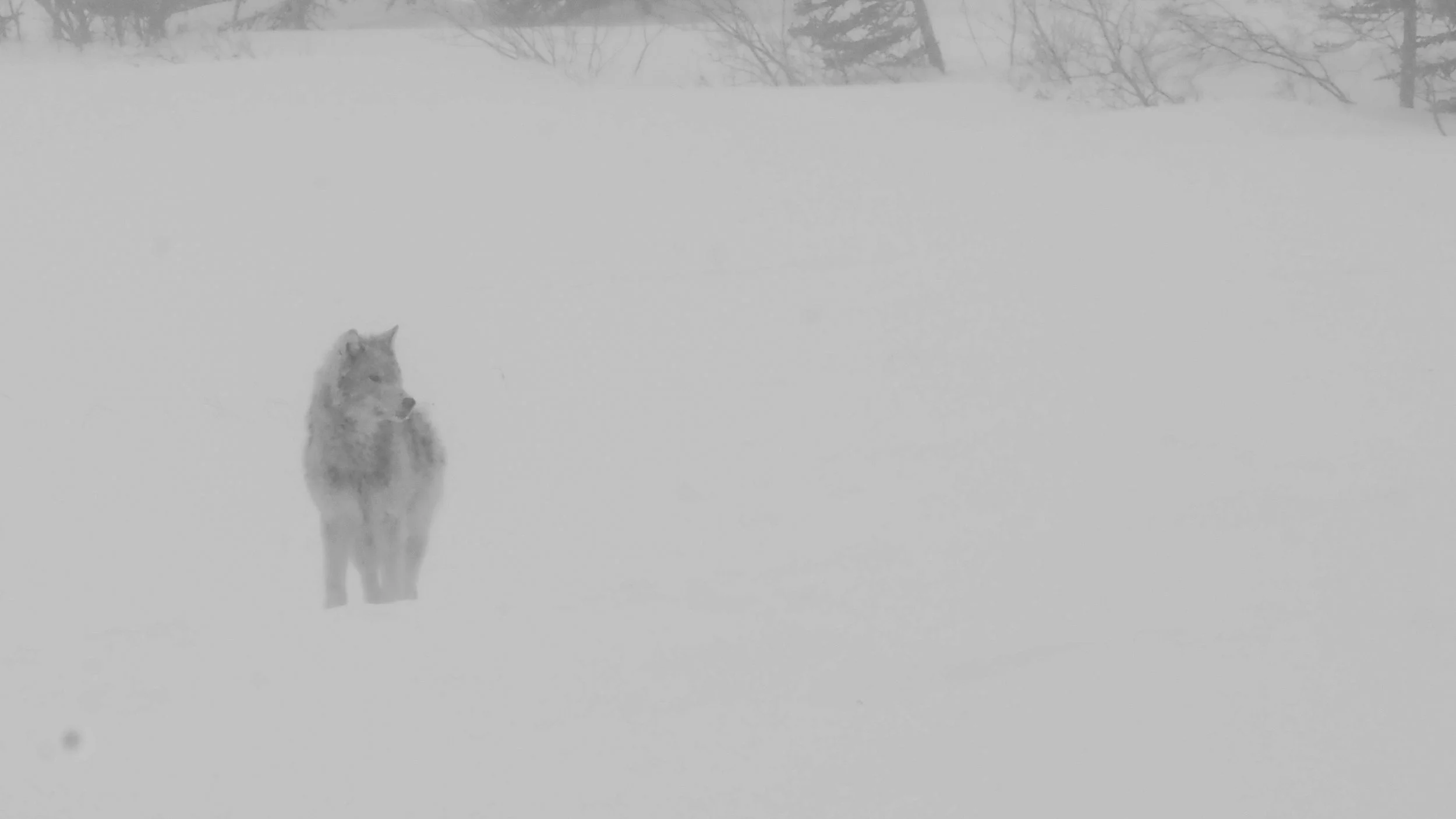
A lone wolf scans the horizon the blowing snow makes it difficult to see the path forward.